
Sports betting has evolved rapidly, with digital platforms introducing new forms of engagement beyond traditional pre-match wagers. The accessibility of online bets has created dynamic betting experiences, where speed, interactivity, and strategic thinking converge.
Modern bettors are drawn to formats that allow real-time decisions, immediate feedback, and the excitement of reacting to live events. Among these innovations, in-play betting has emerged as a transformative approach, reshaping how casual and seasoned bettors interact with sporting events.
Understanding its mechanics and appeal provides insight into the growing demand for fast-paced, interactive wagering environments.
Demand for Interactive and Fast-Paced Betting Formats
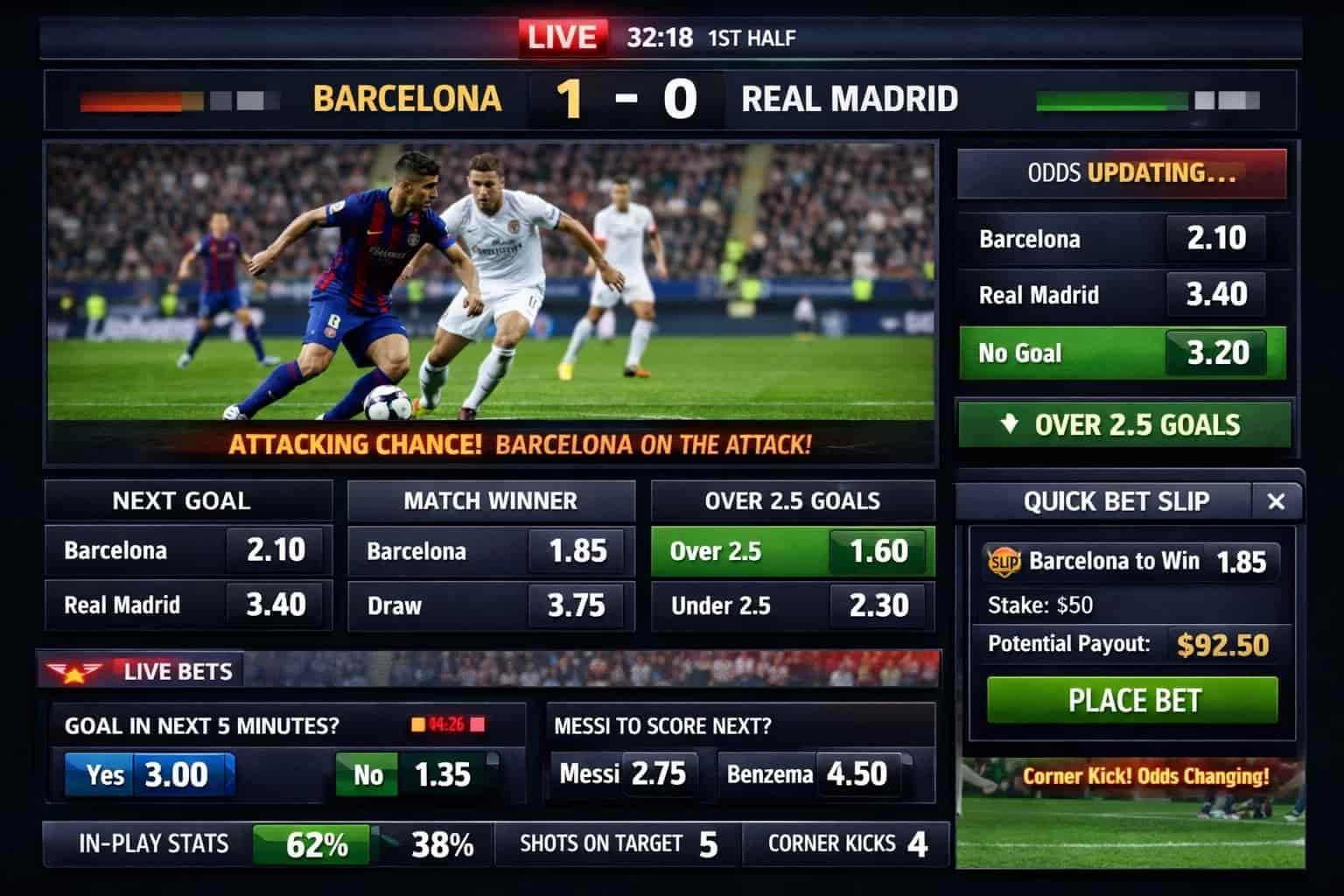
Today’s sports bettors seek more than static odds and delayed outcomes. Platforms offering online bets provide live statistics, instant odds updates, and immersive interfaces that maintain engagement throughout the event.
These interactive formats satisfy the desire for immediate involvement, allowing bettors to place wagers based on evolving game conditions. They also encourage thoughtful analysis, as each decision carries visible consequences in real time, fostering a more strategic betting approach.
What is In-Play Betting?
In-play betting, also known as live betting, allows bets to be placed after a sporting event has begun. Odds fluctuate dynamically based on the current state of play, giving bettors the opportunity to capitalize on momentum shifts, scoring patterns, and tactical adjustments.
Unlike pre-match betting, in-play betting emphasizes adaptability and observation skills. Bettors must remain alert to changing scenarios, as the window for profitable bets is often narrow and unpredictable.
The Psychological appeal of In-Play Betting
The excitement of in-play betting stems from its interaction with the brain’s reward and anticipation systems. Watching an event unfold while having a stake in the outcome heightens involvement and engagement. This stimulation can sharpen focus, enhance observation, and encourage strategic thinking.
At the same time, it requires self-awareness to prevent impulsive decisions. Many platforms offering online bets incorporate visual and statistical cues to guide real-time decision-making and reduce cognitive overload.
Advantages and Challenges of In-Play Betting
In-play betting offers distinct advantages. Bettors can hedge prior bets, exploit live odds fluctuations, and maintain continuous engagement with the sport. Experienced users leverage situational knowledge to identify value bets that were not apparent before the event began.
However, the format presents challenges: rapid decision-making increases cognitive pressure, and inexperienced bettors may overcommit or misread game flow. Recognizing both benefits and risks is essential for responsible participation and long-term enjoyment.
Redefining the Sports Betting Experience
By combining immediacy, analytics, and entertainment, in-play betting is reshaping the landscape of sports betting. Integration of live data, interactive visuals, and responsive interfaces elevates engagement beyond traditional formats.
Platforms offering online bets turn each sporting event into a dynamic environment where every moment counts and informed decisions have tangible impact. This evolution reflects a broader trend toward fast, interactive, and psychologically engaging betting experiences, appealing to both casual fans and strategic bettors alike.
Adaptability, and Quick Decision-making in In-Play Betting
In-play betting represents a significant advancement in sports betting, merging real-time analytics, excitement, and accessibility into a truly immersive experience. As online bets continue to grow in popularity, bettors increasingly seek platforms that provide both convenience and strategic depth. The result is a modern sports betting environment that is engaging, competitive, and more enjoyable than ever before.